Discover Sri Lanka
A tropical paradise where ancient traditions blend with natural wonders
About Sri Lanka
Known as the “Pearl of the Indian Ocean,” Sri Lanka is a small island nation with enormous cultural diversity, breathtaking landscapes, and a history that stretches back over 2,500 years of recorded civilization—and as far as 125,000 years into Prehistoric times. Early human presence on the island dates back around 35,000 years, with some findings suggesting habitation possibly 500,000 years ago. From ancient Buddhist temples to colonial fortresses, lush tea plantations to pristine beaches, Sri Lanka offers travelers a rich tapestry of experiences.
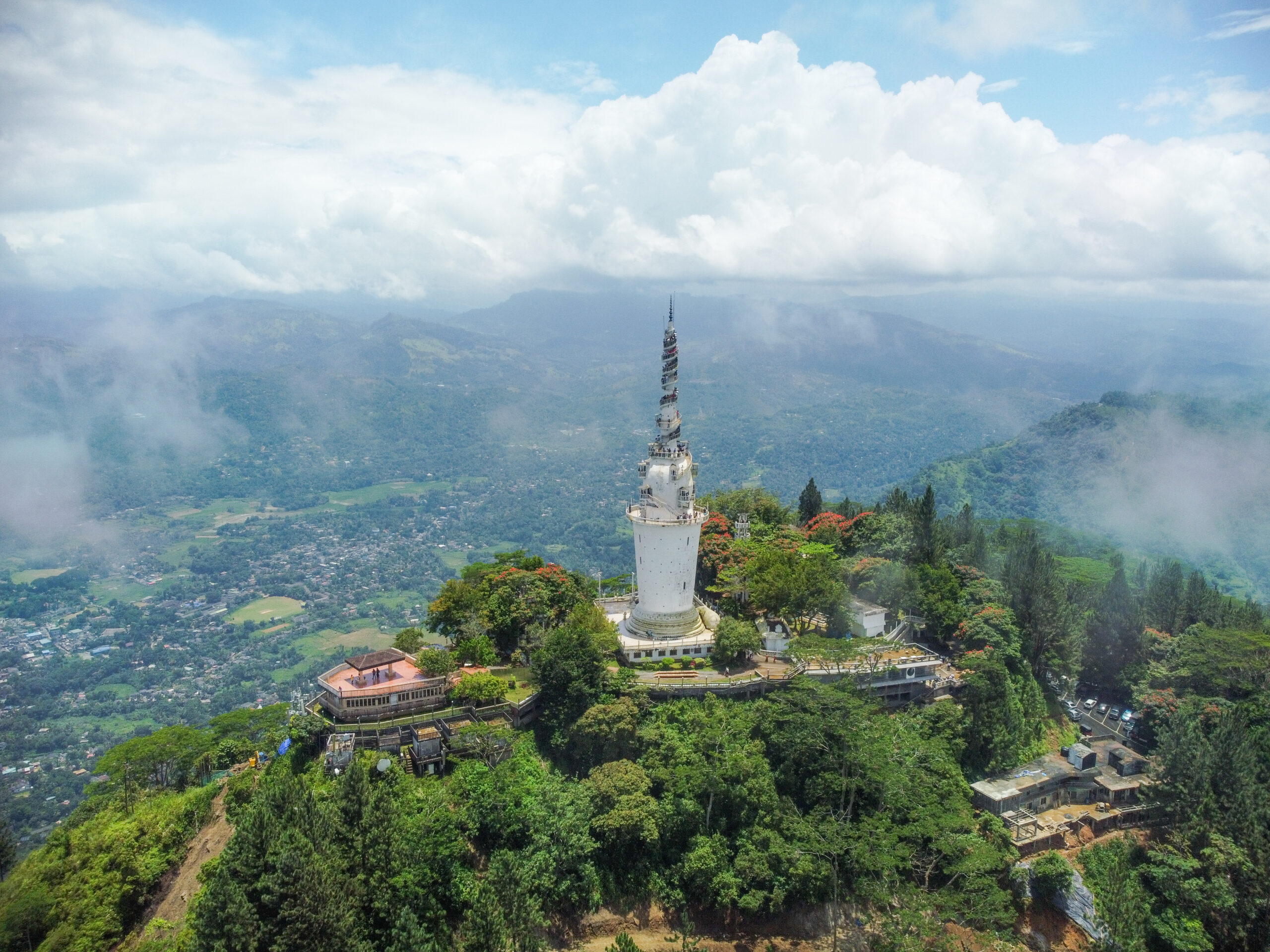
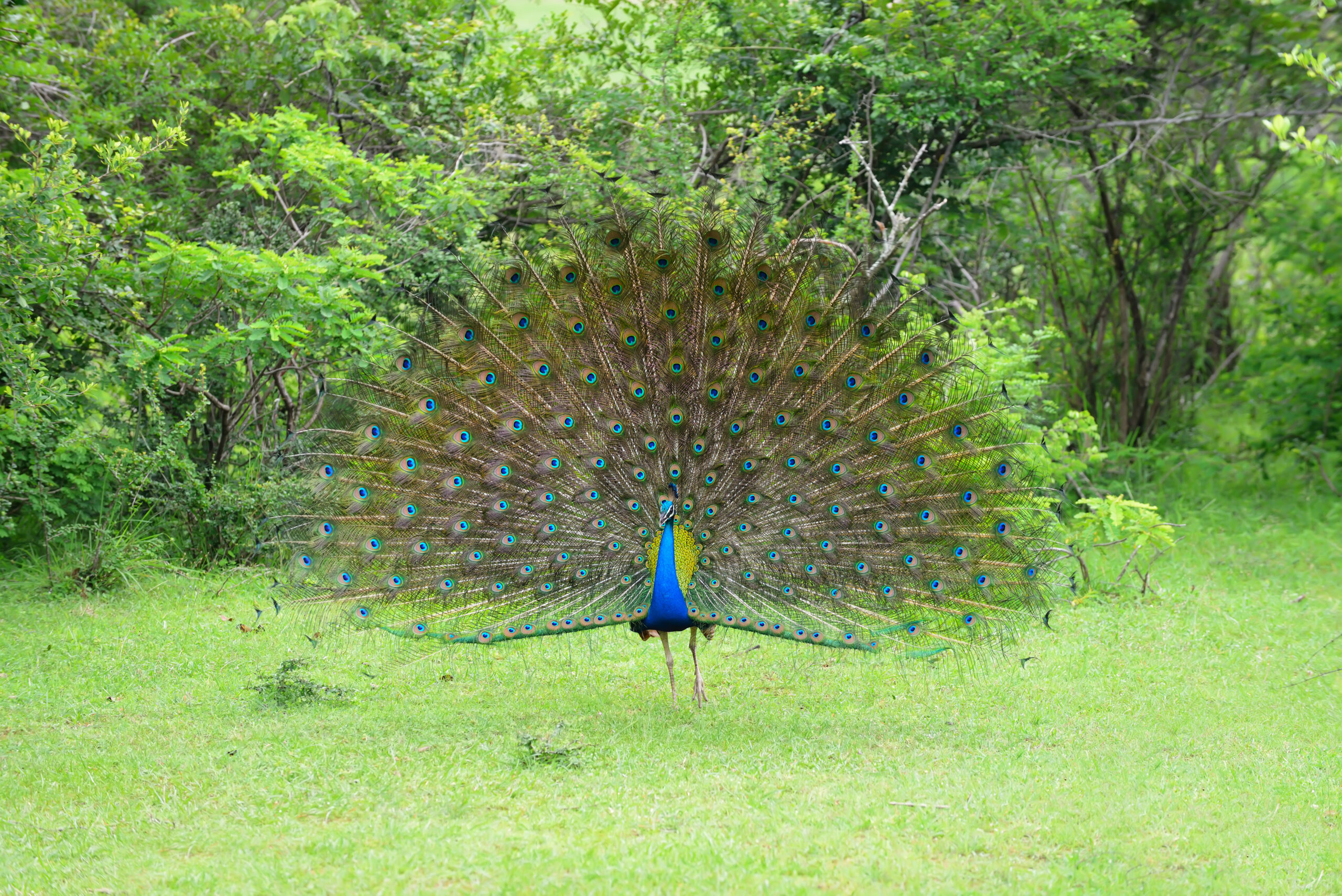
Rich Cultural Heritage
Discover the timeless traditions, vibrant festivals, and historic landmarks that define Sri Lanka’s cultural identity.
Ancient Civilization
Sri Lanka’s history spans over 3,000 years with sophisticated ancient cities like Anuradhapura and Polonnaruwa featuring remarkable engineering feats including massive dagobas (stupas), intricate irrigation systems, and elaborate royal palaces that rivaled those of ancient Rome.
Rich Cultural Heritage
Buddhism has shaped Sri Lankan culture since its introduction in the 3rd century BCE. The island preserves some of Buddhism’s most sacred relics, including the Temple of the Sacred Tooth Relic in Kandy and the Sri Maha Bodhi tree in Anuradhapura, grown from a cutting of the original tree under which Buddha attained enlightenment.
Arts & Crafts
Traditional Sri Lankan arts include vibrant Kandyan dancing, intricate mask carving, mesmerizing drum performances, and delicate batik textiles. These traditions are still practiced by skilled artisans who maintain techniques passed down through generations.
Sri Lanka at a Glance
A brief overview of Sri Lanka’s rich culture, scenic beauty, and key national highlights.
UNESCO World Heritage Sites
0
National Parks
0
km of Coastline
1577
Years of History
1991
Languages of Sri Lanka
Sri Lanka is home to multiple languages reflecting its diverse cultural heritage. While English is widely spoken in tourist areas, learning a few local phrases can enrich your travel experience.
| English | Sinhala | Tamil | Pronunciation |
|---|---|---|---|
| Hello | ආයුබෝවන් (Ayubowan) | வணக்கம் (Vanakkam) | Eye-yoo-bow-wan |
| Thank you | ස්තුතියි (Sthuthiyi) | நன்றி (Nandri) | Sthu-thi-yi |
| Please | කරුණාකර (Karunakara) | தயவுசெய்து (Thayavu seithu) | Ka-ru-na-ka-ra |
| Yes/No | ඔව් / නැහැ (Ow/Nehe) | ஆம் / இல்லை (Aam/Illai) | Oh-w / Neh-hey |
| How much? | කීයද? (Keeyada?) | எவ்வளவு? (Evvalavu?) | Kee-ya-dha |
Festivals of Sri Lanka
A vibrant celebration of culture, colour, and tradition – discover the heart of Sri Lanka through its iconic festivals that unite communities and honour centuries-old heritage.
JanuaryThai Pongal
A Tamil harvest festival dedicated to the Sun God. Families prepare sweet rice pudding (pongal) in clay pots outdoors, and homes are decorated with colorful kolam designs.
AprilSinhala & Tamil New Year
The most important cultural celebration in Sri Lanka marks the new year for both Sinhala and Tamil communities. Traditions include lighting the hearth, preparing special foods, exchanging gifts, and playing traditional games.
May/JuneExpandedVesak
This Buddhist festival celebrates Buddha’s birth, enlightenment, and passing. Streets and temples are decorated with colorful lanterns, pandals (illuminated structures depicting Buddhist stories), and free food stalls called ‘dansal’ offer refreshments to passersby.
July/AugustSub LabelEsala Perahera
Kandy’s magnificent 10-day pageant features dozens of elegantly decorated elephants, traditional dancers, drummers, fire performers, and whip-crackers in honor of the Sacred Tooth Relic. One of Asia’s most spectacular festivals.
NovemberDeepavali (Diwali)
The Hindu festival of lights celebrates the triumph of light over darkness. Homes are illuminated with oil lamps, fireworks light the night sky, and families share sweets and gifts.
Sustainable Tourism in Sri Lanka
Sri Lanka is committed to preserving its natural and cultural heritage through responsible tourism practices. As visitors, we can contribute to these efforts and ensure our travels have a positive impact.
Eco-Friendly Accommodation
Look for hotels and lodges with green certifications that use renewable energy, water conservation practices, and waste reduction systems.
Support Local Communities
Choose community-based tourism initiatives, purchase handicrafts directly from artisans, and eat at locally-owned restaurants using regional ingredients.
Wildlife Protection
Select ethical wildlife experiences that maintain proper distance and respect animal welfare. Avoid activities involving captive elephants that aren’t genuine sanctuaries.
Fascinating Sri Lanka Facts
Uncover surprising and unique facts that highlight Sri Lanka’s charm, history, and natural wonders.
Sri Lanka is the world’s 4th largest producer of tea. The industry began in 1867 when Scotsman James Taylor planted the first tea plantation. Today, “Ceylon Tea” is renowned for its distinctive flavor and quality.
The island produces over 50 varieties of gemstones, including sapphires, rubies, and the rare padparadscha sapphire. Marco Polo once wrote that Sri Lanka had the best sapphires in the world, and the 563-carat Star of India came from Sri Lankan mines.
Despite its small size, Sri Lanka is one of the world’s 36 biodiversity hotspots. The island is home to over 4,000 plant species and 90+ mammal species, with new species still being discovered regularly.
Sri Lanka has the oldest continuously documented history in the world through the Mahavamsa (“Great Chronicle”), a historical poem written in the 5th century CE that records the island’s history from 543 BCE onward.
Sri Lanka’s flag is one of the world’s oldest and most complex. The lion represents the Sinhalese ethnicity, while the sword he holds symbolizes sovereignty. The four Bo leaves in the corners represent Buddhism and the four virtues: kindness, friendliness, happiness, and equanimity.
Sri Lanka is the original home of true cinnamon (Cinnamomum verum), often called Ceylon cinnamon. Unlike the more common cassia variety, Ceylon cinnamon has a sweeter, more delicate flavor and is considered the “true” cinnamon by culinary experts.